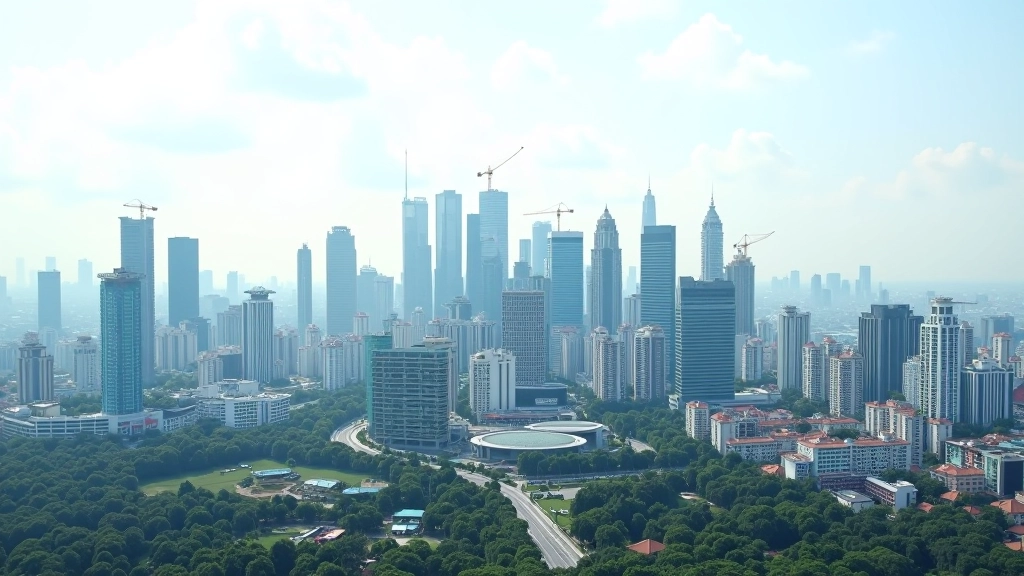
Understanding Malaysia’s Residential Property Price Indices
How price indices track housing market movements and influence buyer decisions across different regions

What Are Property Price Indices?
Property price indices aren’t just numbers on a spreadsheet — they’re the pulse of Malaysia’s real estate market. Think of them as a thermometer measuring housing affordability across different regions. They track how much residential prices change month-to-month and year-over-year, giving both buyers and investors a clearer picture of market trends.
Here’s the thing: Malaysia’s property market isn’t uniform. Prices in Kuala Lumpur move differently than in secondary cities like Johor Bahru or Penang. That’s why price indices matter. They break down these variations by region, helping you understand whether you’re entering a buyer’s market or if prices are climbing faster than usual in your target area.


How Indices Are Calculated
Malaysia’s property price indices typically use a base year as reference — usually set at 100. When prices rise 5% from that base, the index hits 105. It’s straightforward math, but the data collection behind it? That’s more complex.
The National Property Information Centre (NAPIC) collects transaction data from stamp duty records. They’re not guessing — they’ve got actual completed sales. These indices cover different property types: terraced houses, apartments, semi-detached homes, and land. Regional breakdowns matter because a 10% increase in Kuala Lumpur means something entirely different than a 10% increase in Kuching.
The calculation method weighs transactions by their actual frequency and value. More expensive properties get proportional representation, so luxury condos don’t artificially inflate the average if they’re rare sales. That’s why you’ll see different indices for different market segments — they’re measuring genuinely different behaviors.
Regional Variations Matter
Malaysia’s price indices reveal stark differences between major metropolitan areas and secondary cities. It’s not one market — it’s many.
Greater Kuala Lumpur
The most liquid market with highest price volatility. Kuala Lumpur city center, Petaling Jaya, and Subang typically see price movements 2-3 months ahead of other regions. If you’re tracking trends, watch KL first.
Selangor Secondary Markets
Cities like Shah Alam and Klang follow KL trends but with slower momentum. Affordability here’s better, which attracts different buyer profiles. Price growth here often lags KL by 6-12 months.
Penang & Johor
Strong growth corridors independent of KL. Penang’s tourism and tech sectors drive demand. Johor’s connectivity to Singapore creates unique pricing dynamics. They’re not just cheaper — they’re different markets.
Emerging Corridors
Places like Ipoh, Putrajaya, and Cyberjaya show faster price appreciation than you’d expect. These emerging regions benefit from infrastructure investment and attracted younger, growing populations.

Why These Numbers Matter to You
Price indices aren’t abstract economic indicators — they directly affect your mortgage options and investment returns. Here’s how:
Mortgage Decisions
Banks monitor property price indices closely. In cooling markets (negative index movement), lenders tighten loan-to-value ratios. You might get approved for 90% financing in growth markets but only 80% in stable ones. Rising indices mean banks are confident — your loan terms improve.
Investment Timing
Indices show you whether you’re entering a market early in a growth cycle or near its peak. A region with consistent 5-7% annual growth differs dramatically from one with 1-2% growth. Your rental yields and resale potential depend on understanding these trajectories.
Affordability Assessment
Rising indices combined with flat incomes mean affordability’s worsening. When prices jump 8% annually but salaries rise 3%, buying becomes harder. Indices help you quantify whether a region’s becoming less accessible.

Current Market Trends
Affordable Segment Growth
Properties under RM400,000 show faster index growth than luxury segments. Government affordable housing initiatives are working — indices for this segment outpace overall market growth by 1-2% annually.
Urban Fringe Appreciation
Areas 30-50km from city centers are experiencing index growth rates similar to inner-city properties. Better infrastructure and lower entry prices are attracting both owner-occupiers and investors.
Stagnation in Premium Segment
Luxury properties above RM1.5 million show modest index movement. Foreign buyer restrictions and capital gains concerns have cooled this segment. Price indices here are flatlining or declining slightly.
Regional Decoupling
Price indices for Penang, Johor, and Kuching are moving independently of Kuala Lumpur. This decoupling means diversification opportunities — different regions peak and trough at different times.
Track Your Market
Understanding price indices is the first step toward smarter property decisions. Whether you’re buying your first home or building an investment portfolio, these numbers tell the story of your market’s health. Monitor them regularly — they change monthly, and that matters.
Explore More Housing ResourcesInformation Disclaimer
This article provides educational information about Malaysia’s property price indices and residential market trends. It’s intended to help you understand how these indices work and their general significance. Property markets are complex, and actual outcomes depend on many individual factors. For specific investment decisions, financial advice, or mortgage guidance, consult with qualified real estate professionals, financial advisors, or lending institutions. Market conditions change frequently, and historical index performance doesn’t guarantee future results.
Related Articles