

Understanding Malaysia’s Residential Property Price Indices
A breakdown of how property price indices track housing market movements across different regions and property types in Malaysia.
Read MoreHow rapid urban migration, infrastructure development, and population density shifts are reshaping property values, demand patterns, and economic opportunities in Malaysian cities.
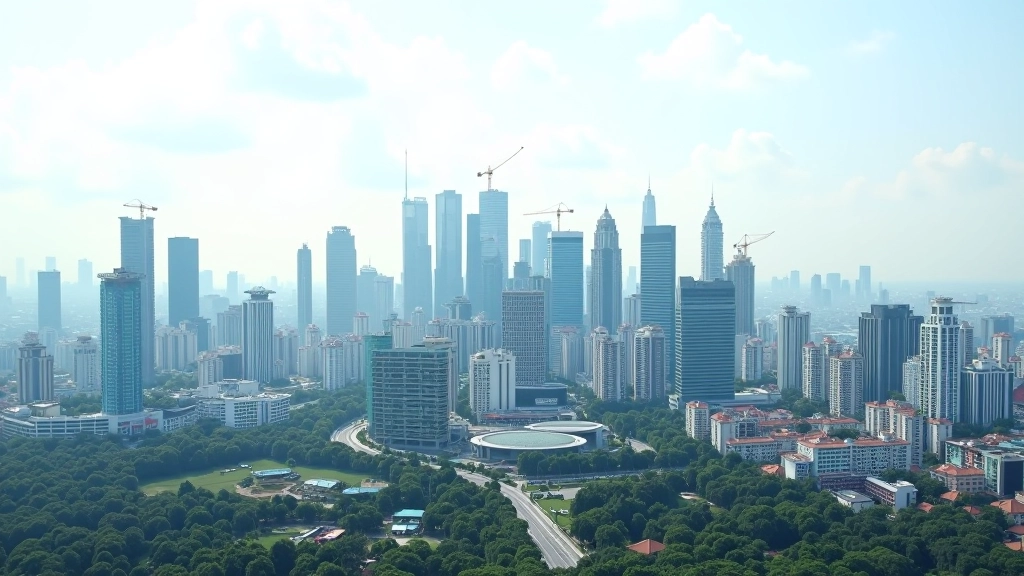
Malaysia’s urban centres are experiencing unprecedented growth. Between 2010 and 2020, urban populations increased by over 30%, with cities like Kuala Lumpur, Selangor, and Penang becoming economic powerhouses. This migration isn’t random — it’s driven by job opportunities, better services, and infrastructure investments.
But here’s what’s happening beneath the surface: as more people move to cities, housing demand skyrockets while available land remains fixed. That mismatch creates pressure on prices. We’re not just talking about luxury condos in KLCC — we’re seeing price increases across the entire market, from affordable housing to high-end developments. Understanding these patterns is critical whether you’re a buyer, investor, or policymaker.
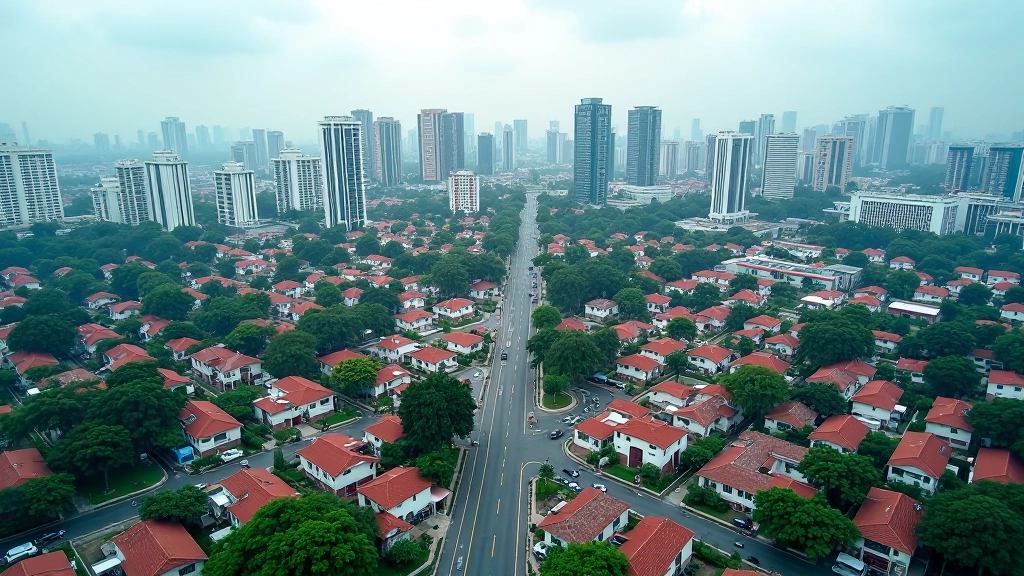

When urbanisation accelerates, housing demand doesn’t just increase — it transforms. Migration creates multiple layers of demand. You’ve got young professionals moving for their first jobs, established families upgrading to larger homes, and investors purchasing properties for rental income.
In Selangor, for example, average household income grew 45% from 2015 to 2023. But property prices? They’ve grown even faster. This gap between income growth and price growth is what we call the affordability squeeze. It’s not that people can’t earn more — it’s that property prices are outpacing income increases by significant margins.
Here’s the fundamental problem: you can’t create new land. Urban centres are geographically bounded by municipal boundaries, geography, and existing infrastructure. When demand increases but supply can’t keep pace, prices rise. It’s basic economics, but the implications are profound.
Developers face their own constraints. Land acquisition costs in prime locations can consume 30-40% of total project costs. Add in regulatory approvals, which can take 18-24 months, and you’re looking at significant capital requirements before the first unit sells. This naturally limits the number of developers who can participate, reducing competition and putting further pressure on prices.
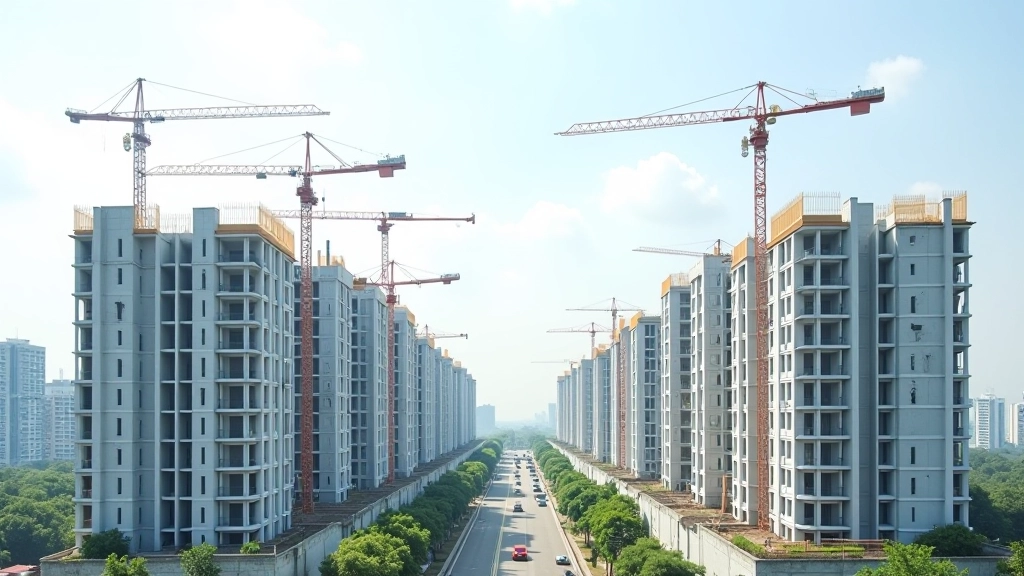
Malaysian property price indices tell a compelling story. The National Property Information Centre (NAPIC) tracks median house prices across different regions and property types. What we’re seeing is clear regional divergence.
Median prices have surged from RM 350,000 (2015) to RM 480,000+ (2023). Strong employment hubs and infrastructure attract continuous migration.
Emerging areas like Cyberjaya, Putrajaya, and Shah Alam show 8-12% annual appreciation. Lower entry costs than KL proper, but strong infrastructure links.
Penang, Johor Bahru, and Kota Kinabalu experiencing rapid urbanisation. Price growth averaging 5-7% annually as regional economies strengthen.
These indices reveal that urbanisation isn’t uniform. Primary urban centres command premium pricing, but secondary cities are catching up. The differentiator? Economic opportunities and infrastructure connectivity. Cities with new employment zones, transit systems, and amenities attract more migration, driving stronger price appreciation.
Rising housing costs don’t exist in isolation. They cascade through the entire economy. When housing consumes a larger share of household income, less money flows into other sectors — retail, entertainment, education, and healthcare suffer from reduced consumer spending.
“When urbanisation happens too fast without matching housing supply, affordability becomes a structural issue that affects workforce mobility, business competitiveness, and social stability.”
Businesses face real challenges too. If housing costs spike, skilled workers demand higher salaries to maintain purchasing power. Companies operating in expensive urban centres either accept higher labour costs or relocate. This affects competitiveness and regional economic development.

Malaysian authorities haven’t ignored these challenges. Several initiatives are underway to address the supply-demand mismatch and affordability crisis.
Federal and state governments mandate affordable housing components in new developments. Selangor requires 30% of units in residential projects to be priced for low-income households. It’s well-intentioned, though implementation remains challenging.
Home Ownership Campaign (HOC) programmes offer stamp duty exemptions and reduced loan margins. These lower upfront costs and monthly payments, making homeownership more accessible for first-time buyers.
Mixed-use developments and transit-oriented housing projects improve land utilisation. By combining residential, commercial, and recreational spaces, developers create vibrant communities while maximising limited urban land.
Major transit projects like MRT extensions and highway improvements increase accessibility to previously remote areas. Better connectivity reduces pressure on prime urban locations, spreading development across wider metropolitan regions.
Urbanisation isn’t slowing down in Malaysia. Cities’ll continue attracting people seeking better opportunities. That’s fundamentally positive for economic growth, but it demands smarter housing policy and development strategies.
The relationship between urbanisation and housing economics isn’t simple. It’s not just about supply and demand — it’s about how cities develop, where infrastructure gets built, and who benefits from urban growth. For buyers, investors, and policymakers, understanding these dynamics is essential for making informed decisions.
This article presents educational information about urbanisation’s economic impact on housing markets in Malaysia. The analysis draws from publicly available data, property indices, and economic reports. However, housing markets are complex and influenced by numerous factors including interest rates, government policy, economic conditions, and local circumstances.
Nothing in this article constitutes investment advice, financial recommendation, or guidance for property purchase decisions. Property values can fluctuate based on many variables, and past performance doesn’t guarantee future results. Anyone considering property investment or purchase should conduct thorough due diligence, consult qualified real estate professionals, and carefully evaluate their individual financial situation before making decisions.